
History of the Census
1946: The Beginnings
The Census began in 1946 as a collaboration between the art historian Richard Krautheimer (1897–1994) at Vassar College; Fritz Saxl (1890–1948), the director of the Warburg Institute in London; and the archaeologist Karl Lehmann (1894–1960) at New York University. All three had fled the persecution of Jewish academics in Germany and found positions abroad. The initial research question arose in 1945, when Krautheimer and his wife, Trude Krautheimer-Hess, were writing a monograph on the Renaissance sculptor Lorenzo Ghiberti. Struggling to find specific information about the antique monuments known in fifteenth-century Italy, Richard Krautheimer asked Saxl whether they should organise a ‘corpus of antiquities’ known in the Renaissance. Their exchange led to the idea of creating a systematic record of ancient works known to—or that could have been known to—Renaissance artists. In spring 1946, the Warburg Institute and New York University began developing a census of Renaissance sources, primarily from fifteenth-century Italy, that responded to antique monuments: visual sources—at that time limited to sculpture and figural works of art—and textual sources. They decided to gather this information on index cards and to combine it with photographs wherever possible.
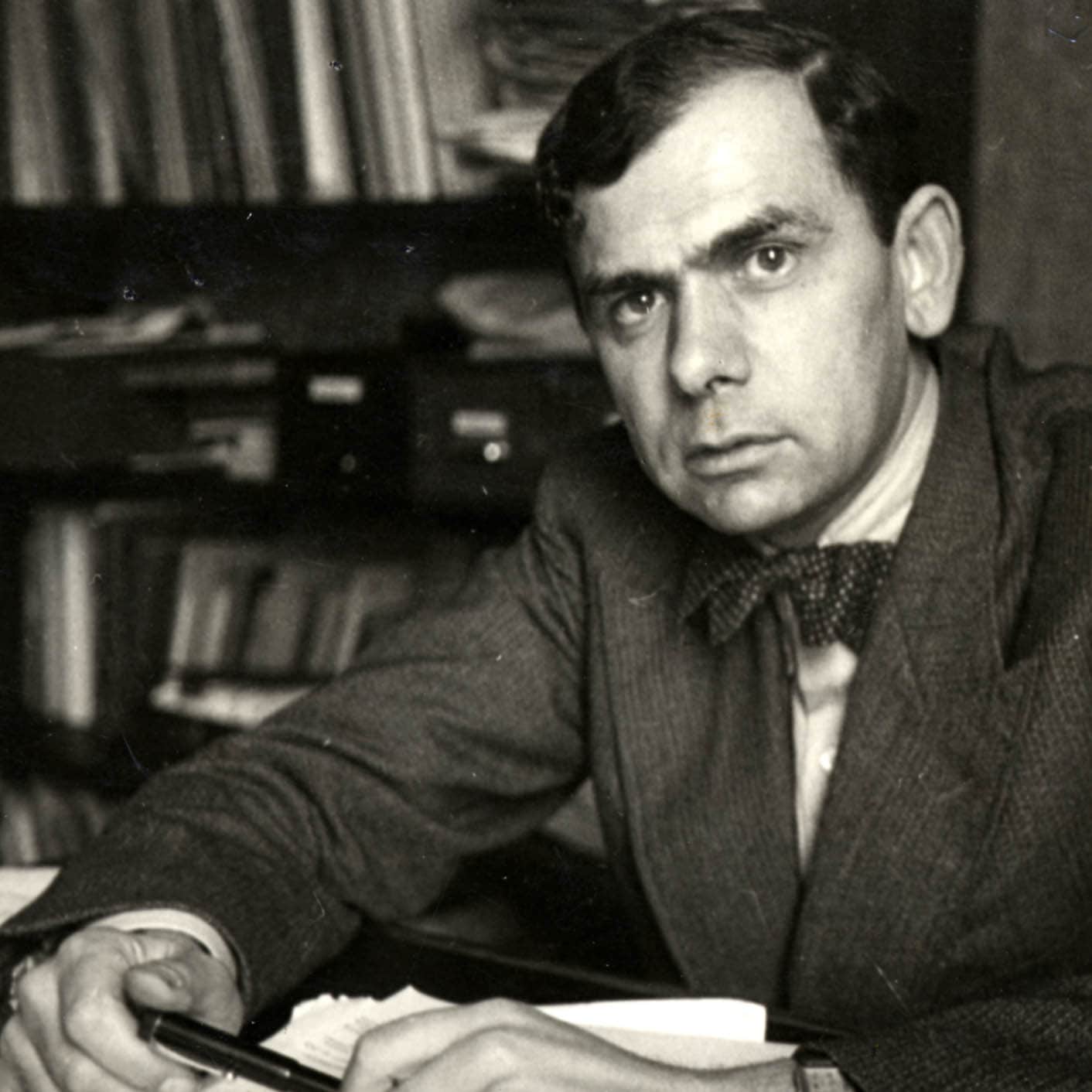
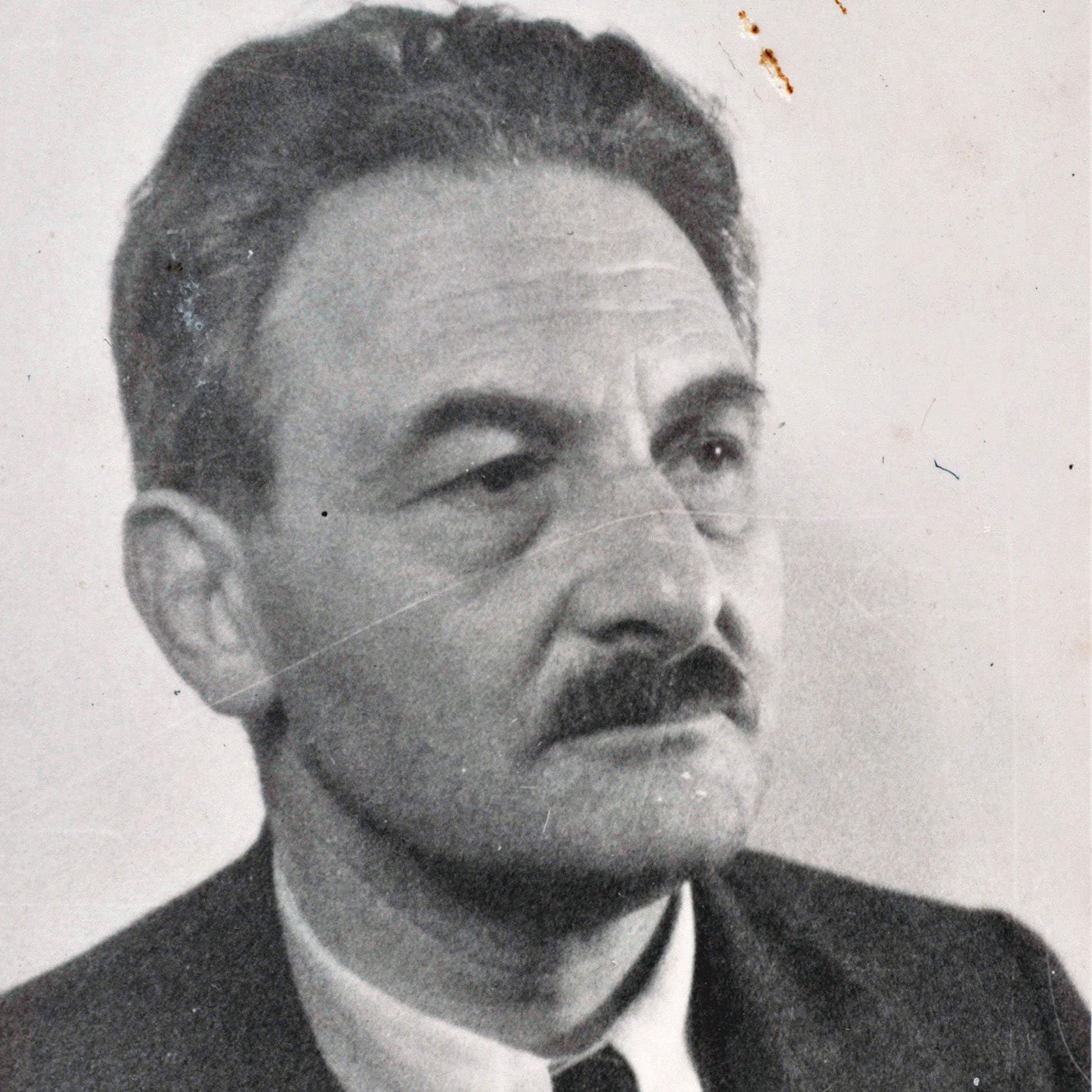
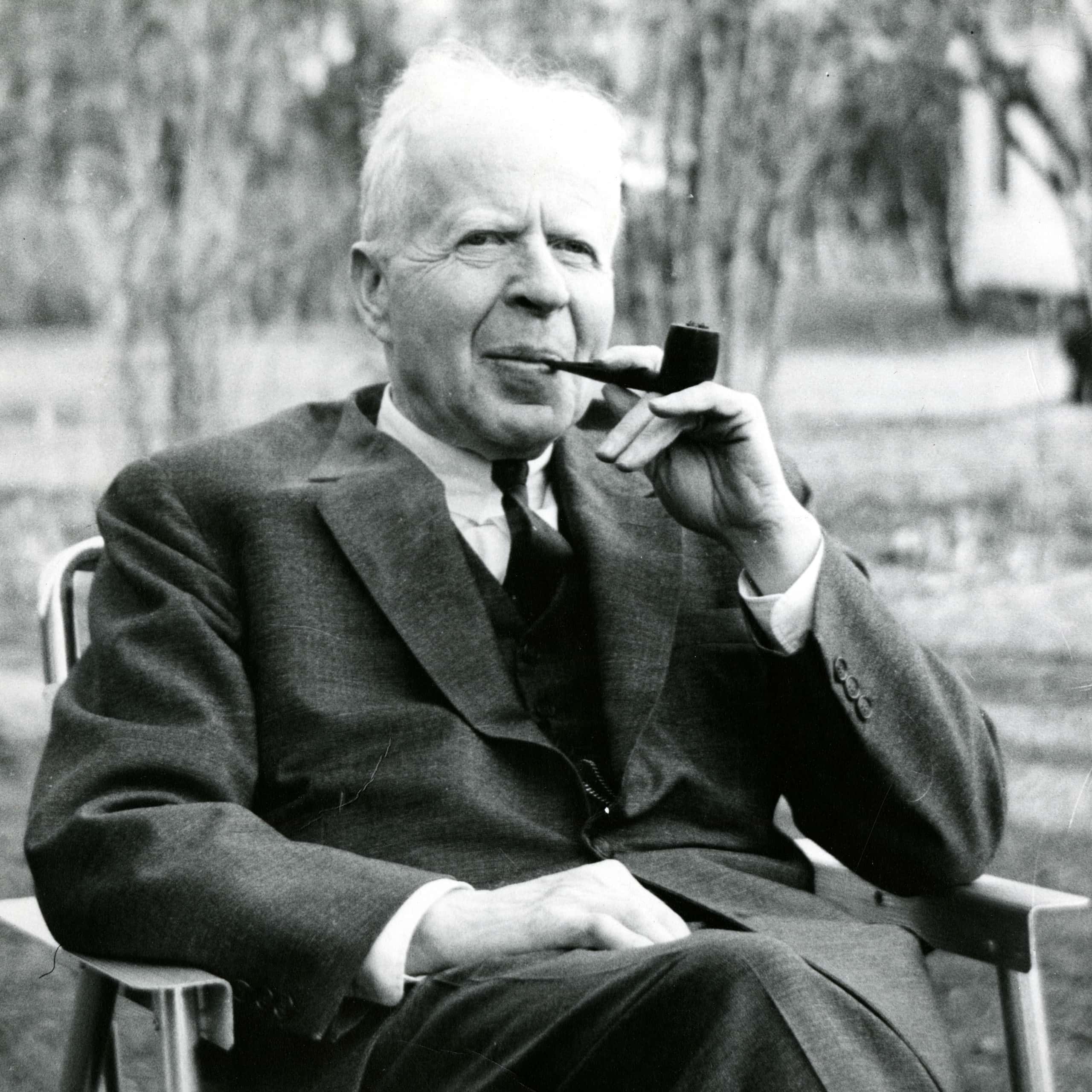
Richard Krautheimer, c. 1940; Fritz Saxl, 1939; Karl Lehmann, c. 1950
1947: Phyllis Bober
In 1947, the American archaeologist Phyllis Pray Bober began to realise the founders’ ideas, thereby giving the Census the shape it still has today. Bober compiled hundreds of index cards, organised alphabetically, each listing the Renaissance texts and works of art relating to a particular antique monument. The Warburg Institute’s Photographic Collection acquired and catalogued photographic reproductions of both ancient and early modern works of art. In the early stages of the Census, the project’s scope was limited to antique sculpture and its reception in the Renaissance—from 1400 to around 1530.
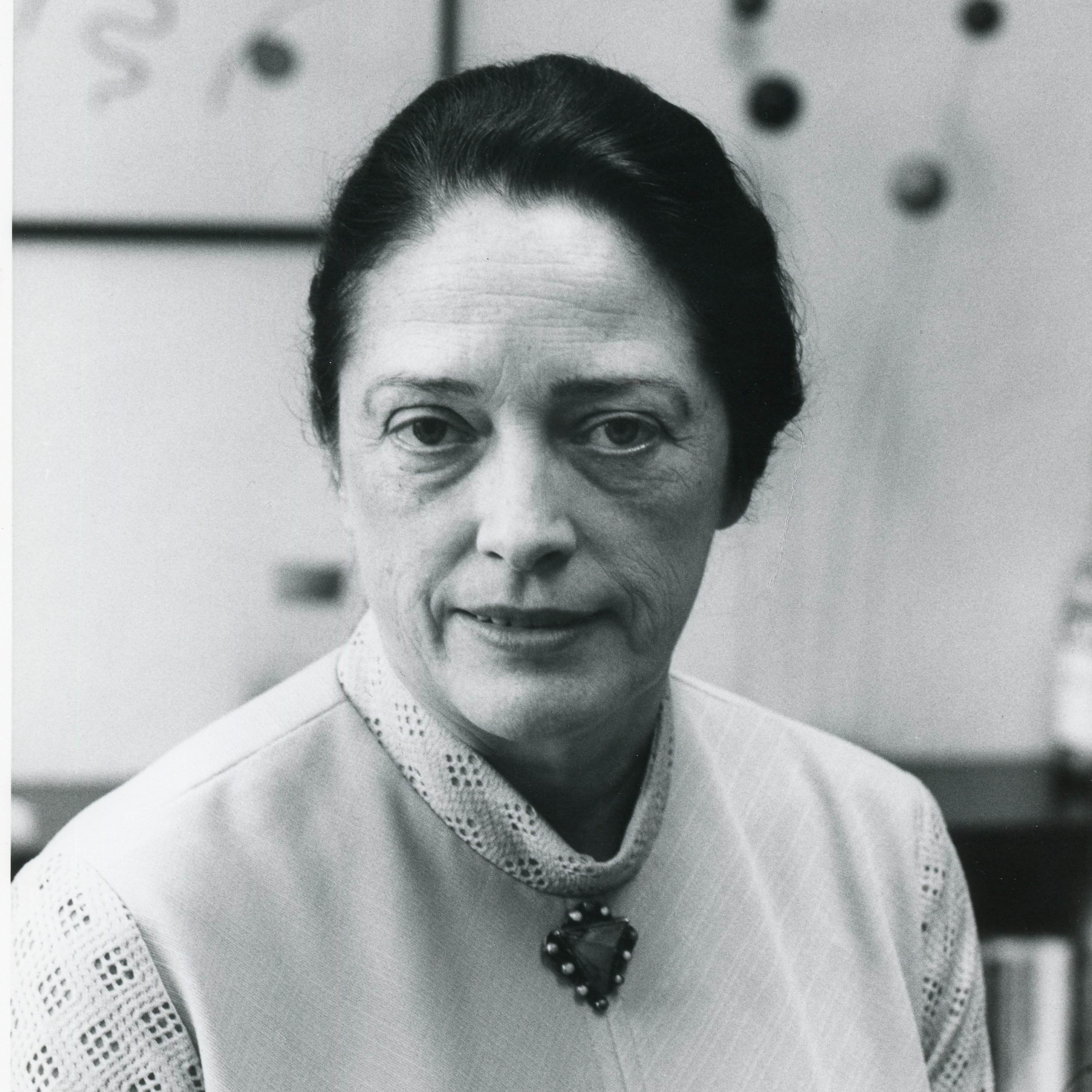
Phyllis Pray Bober
1957: Ruth Rubinstein
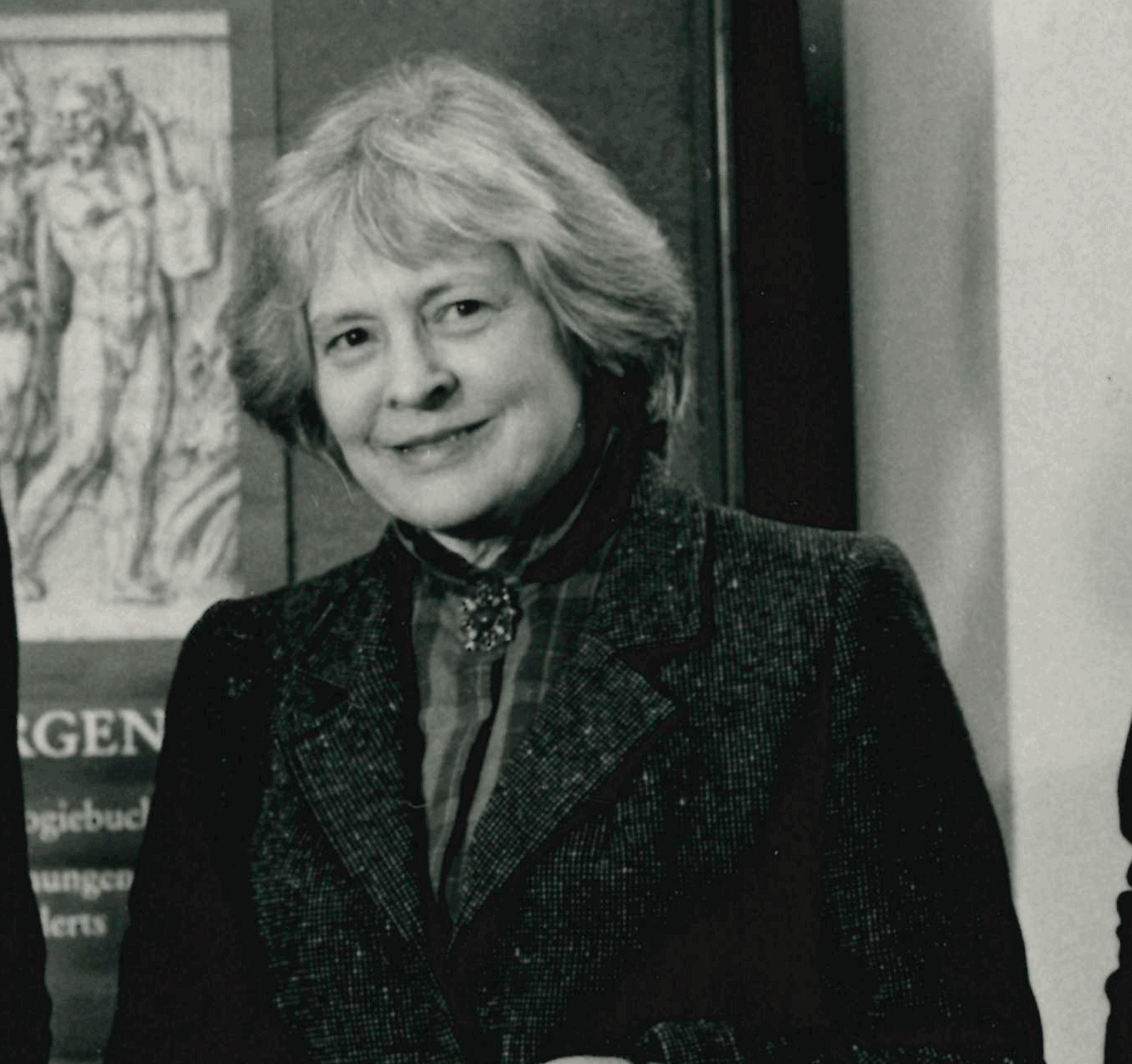
The Census had been an official project of the Warburg Institute since 1949, with Phyllis Bober as its director. In the early years, Enriquetta Frankfort, director of the Photographic Collection, began working with Bober to catalogue the project’s visual resources. When Ruth Rubinstein was appointed in 1957 as an assistant in the Photographic Collection, with special responsibility for the Census, the project gained further momentum and found, in Rubinstein herself, a long-standing protagonist.
Over the following decades, Rubinstein acquired photographs of sketchbooks and drawings after the antique for the Census, thereby helping to make the Warburg Institute’s Photographic Collection one of the most important research centres for Renaissance drawings. The Institute further supported the Census by publishing numerous catalogues of Renaissance sketchbooks in its series Studies of the Warburg Institute.
1980s: Digitisation
In the early 1980s the Bibliotheca Hertziana—under the directorship of the architectural historians Matthias Winner and Christoph Luitpold Frommel—became a partner institution of the Census project. At the same time, the Census expanded to include ancient architecture, a category that had previously been excluded.
The idea of computerising the Census’s index card system had already been proposed at the end of the 1970s, and the project’s expansion to include architecture offered a further reason to pursue it. The J. Paul Getty Trust had just launched its Art History Information Program to test the possibilities of electronic data processing for the humanities.
The project won the support of the Getty Trust, and programming began. From 1981 onwards, the data model was developed under the direction of Arnold Nesselrath in Rome, in cooperation with the computer programmer Rick Holt. An input mode was programmed, followed by a retrieval mode. In developing the data model, it was crucial to structure clearly the complex information recorded on Bober and Rubinstein’s index cards. The object-relational data model that was chosen made it possible to access the Census data from every side: whereas the index card system could be ‘entered’ only through the names of the ancient monuments, the computerised data could be queried from any direction.
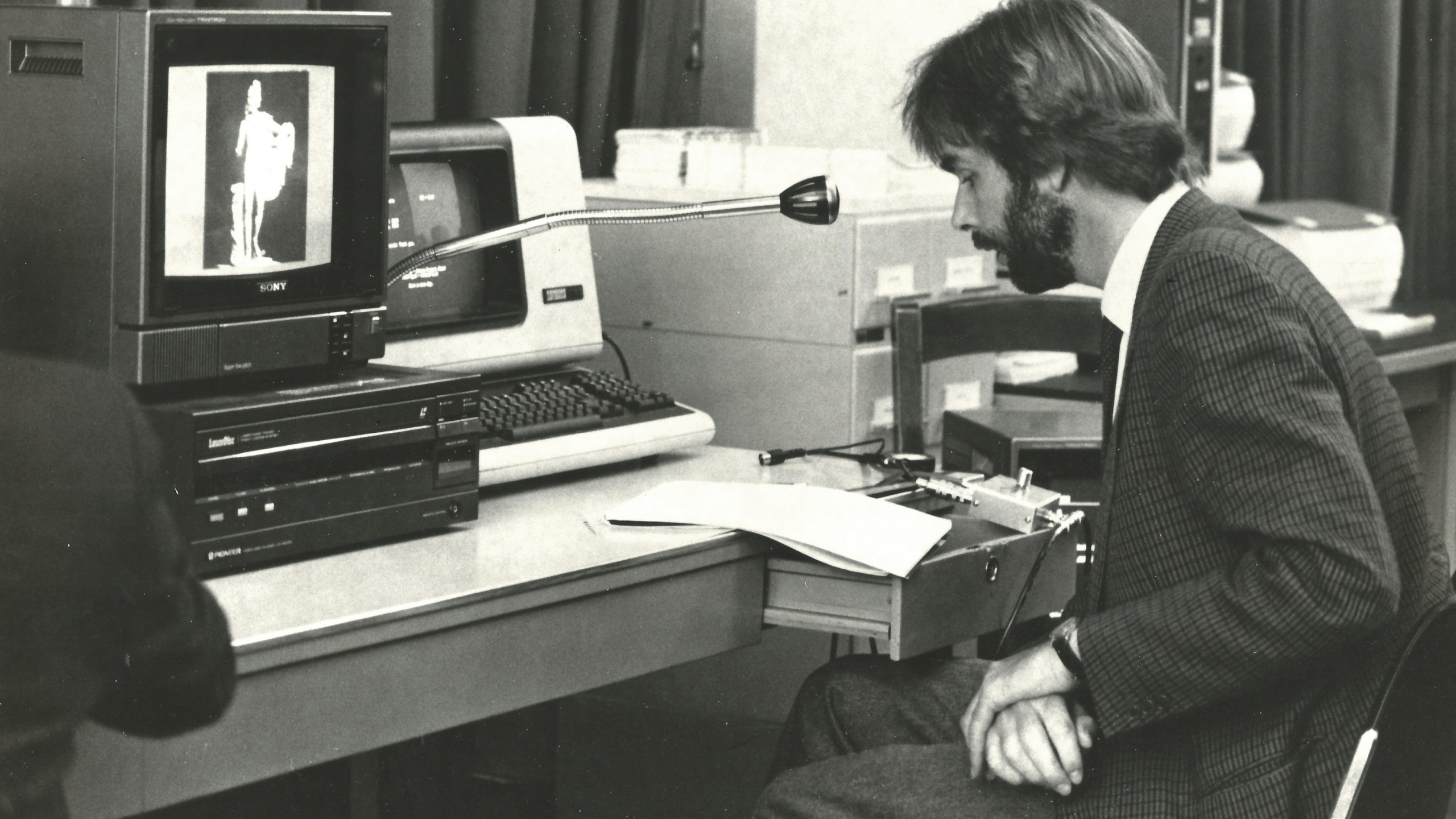
Arnold Nesselrath
1990s: Berlin
The project’s next change of location coincided with the dawn of a new technological era. Although funding from the Bibliotheca Hertziana ended in 1995, Horst Bredekamp succeeded in securing the project’s permanent affiliation with what is now the Department of Art and Visual History at the Humboldt-Universität zu Berlin, where he had been appointed professor. Additional funding and support were provided by the Bundesministerium für Bildung und Forschung (Federal Ministry of Education and Research).
During the first years in Berlin, the database software was reorganised. A migration to the Dyabola system preserved the data model. Whereas the database had previously been available for consultation only in London and Rome, it was now published on CD-ROM and later on DVD. The first internet version of the Census database followed in 2000.

Database in Dyabola
2000s: The Online Census
The next stage in the life of the Census once again coincided with technological change. When the Census was included in the programme of the Berlin-Brandenburgische Akademie der Wissenschaften (BBAW) in 2003, one of the most pressing tasks was to make the data available in open access. With the support of the Academy and the BBAW’s Telota team, the Dyabola database was transferred to a new system, and in 2007 the Census was made available online through new web-based software, with no access restrictions.
Up to this point, the content of the Census had changed only in scope—through the extension of its time period and the inclusion of ancient architecture and coins. The research questions remained the same: which antiquities were known—and in what place and condition—during the Renaissance?
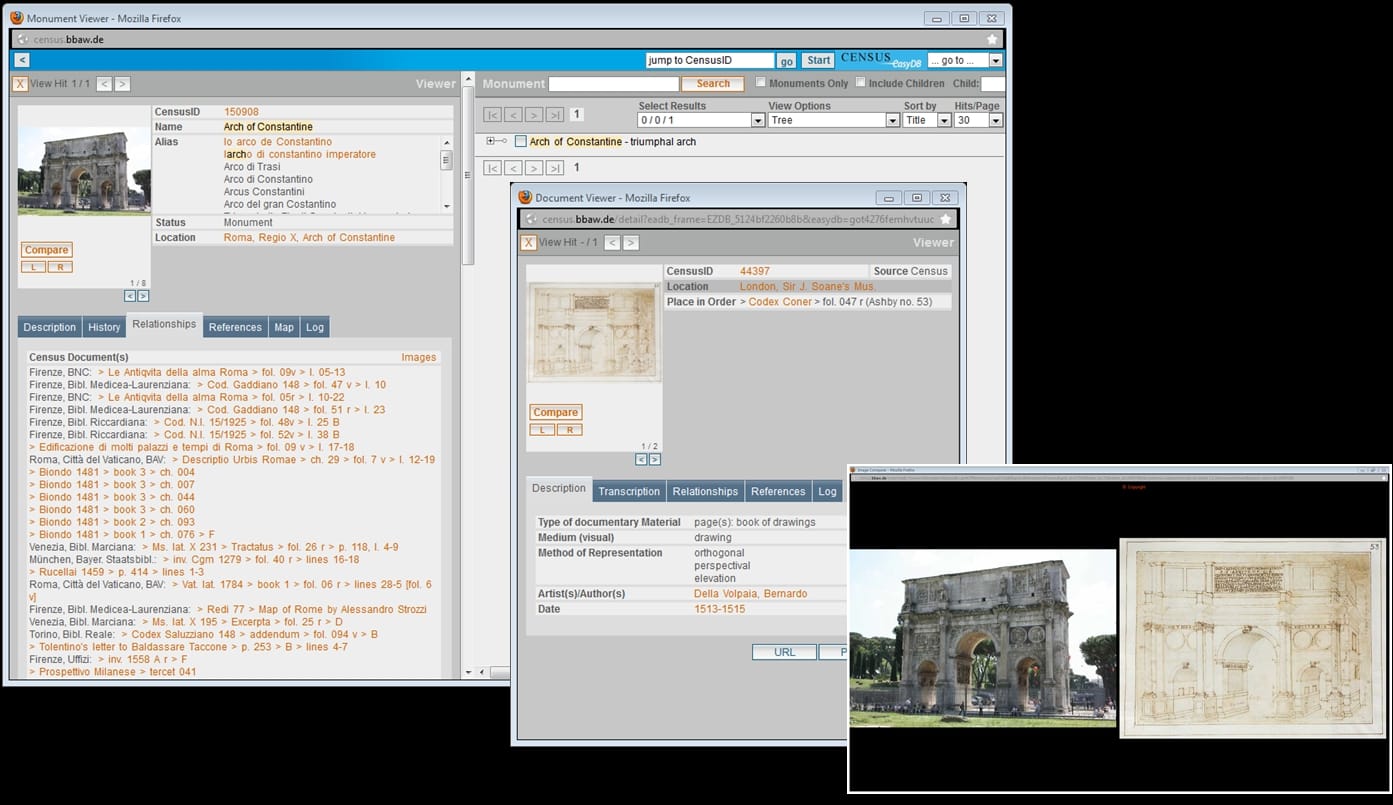
EasyDB 4
2020s
In June 2020, the American art historian Kathleen Christian became professor in the Department of Art and Visual History at the Humboldt-Universität zu Berlin and director of the Census.
Between 2021 and 2023, the Census received a software update and a new user interface; at the same time, the database was prepared for its transformation into Linked Open Data. In 2021, the renewal of the database’s photographic resources also began. As a result on this update, users today can access numerous new photographs of ancient monuments as well as drawings from institutions such as the Musei Capitolini in Rome, the Albertina in Vienna, the Biblioteca comunale in Siena, and the Ashmolean Museum in Oxford.
The year 2021 marked the 75th anniversary of the Census project, which was commemorated by the online exhibition, ’75 Years, 1946–2021; from Index Cards to Online Database’.
Since 05.2026, the Census is a Cooperation project of the Humboldt-Universität zu Berlin and the Bibliotheca Hertziana in Rome.

Census Interface, 2023